


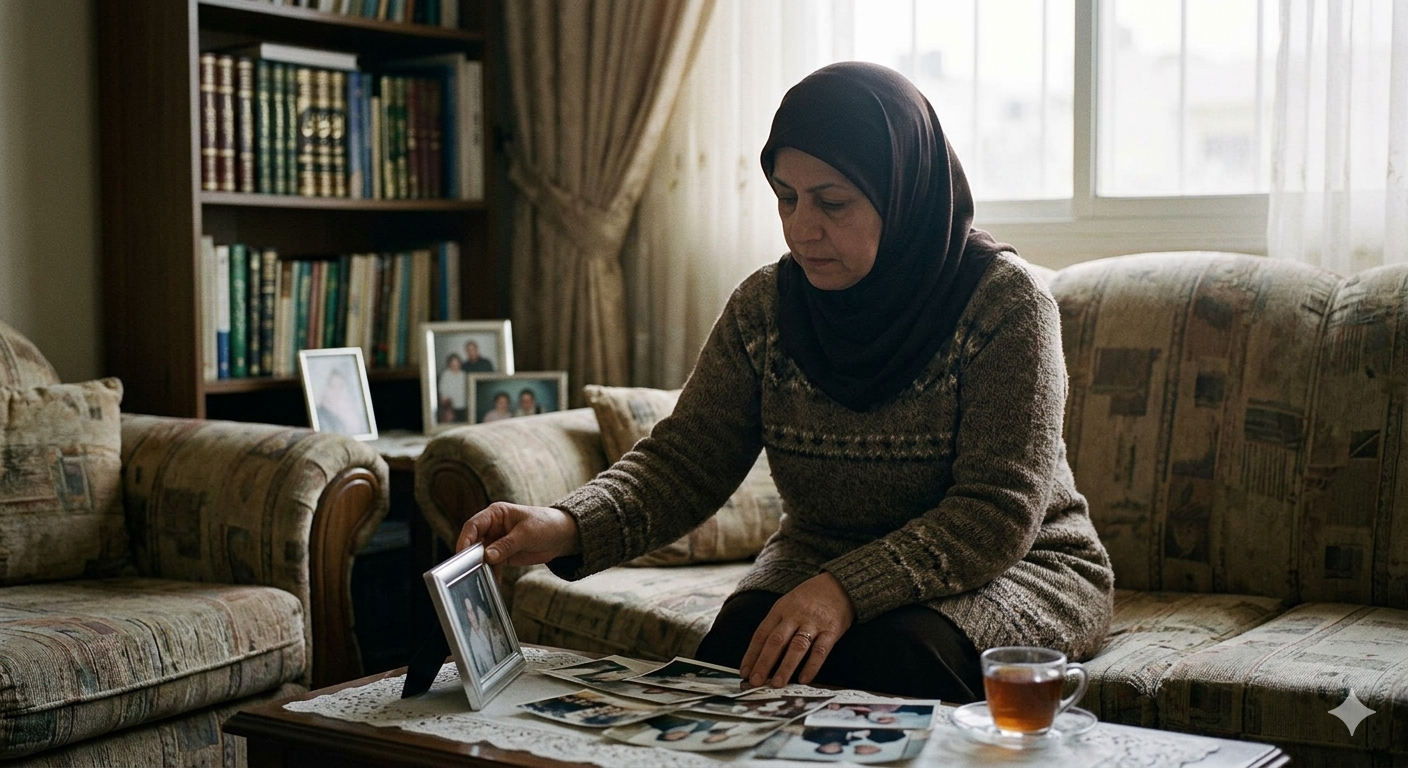
Nidal Al-Hamdani is a figure who has gained attention primarily due to her reported connection to former Iraqi president Saddam Hussein and her professional career in Iraq’s scientific sector. While not much is publicly known about her early life, family background, or personal history, she has been cited in various biographical summaries as Saddam Hussein’s alleged third wife. Alongside this, she reportedly held a significant role in Iraq’s Solar Energy Research Center, showcasing her professional credentials in addition to her association with one of the Middle East’s most controversial political leaders.
Early Life and Education
Details about Nidal Al-Hamdani’s early life remain scarce. Her date of birth, family background, and educational history have not been widely documented. This lack of information is partly due to the private nature of her life and the limited media coverage of individuals associated with Saddam Hussein who were not part of his immediate family. Despite this, her reported professional achievements suggest that she received higher education and had training relevant to her managerial role in the scientific sector.
Alleged Marriage to Saddam Hussein
Nidal Al-Hamdani is most commonly referenced as Saddam Hussein’s alleged third wife. Saddam Hussein, who ruled Iraq from 1979 to 2003, had a well-known family life with his first wife, Sajida Talfah, and second wife, Samira Shahbandar. Nidal Al-Hamdani reportedly married Saddam Hussein around the late 1980s or early 1990s, though precise dates are uncertain. Unlike his first two wives, she did not appear prominently in public or in media coverage, which adds an element of mystery to her story.
Because information about her marriage is limited and sometimes conflicting, sources often describe her status with careful wording such as “alleged” or “reported.” This distinction is important, as many personal details from Saddam Hussein’s private life remain unverified due to the secretive nature of his household and the political climate in Iraq during his rule.
Professional Career
Beyond her alleged marital connection, Nidal Al-Hamdani reportedly held a professional role as the general manager of Iraq’s Solar Energy Research Center. This position suggests that she had significant responsibilities overseeing research initiatives and contributing to the development of solar energy projects in Iraq. Her role aligns with the country’s efforts during the Ba’athist era to invest in scientific and technological development.
The Solar Energy Research Center, part of Iraq’s Council of Scientific Research, aimed to study and implement renewable energy solutions and advance research in the field. Nidal Al-Hamdani’s reported leadership in this organization demonstrates her professional capabilities and provides a more complete view of her life beyond her association with Saddam Hussein.
Nidal Al-Hamdani’s Role in Iraqi History
While she did not play a prominent political role, Nidal Al-Hamdani’s connection to Saddam Hussein and her professional career place her within the context of Iraq’s modern history. She represents one of the many individuals who were part of Saddam Hussein’s personal and professional network, highlighting the intersection of political power and scientific development in Iraq during the late 20th century.
Her story also illustrates the challenges faced by women in positions of responsibility within Iraq during this period. Balancing a professional career with the private complexities of life connected to a political figure like Saddam Hussein would have required discretion and resilience.
Public Curiosity and Media References
Nidal Al-Hamdani continues to attract attention due to the mystery surrounding her life. People searching for information about Saddam Hussein’s family, including his wives and household, often encounter her name. Keywords such as “Nidal Al-Hamdani biography,” “Saddam Hussein third wife,” and “Iraq Solar Energy Research Center” are frequently associated with searches about her life.
Despite the intrigue, her life has remained largely private. Unlike Saddam Hussein’s first wife, Sajida Talfah, and second wife, Samira Shahbandar, Nidal Al-Hamdani did not participate in public events or become a widely recognized figure in the media. This lack of visibility contributes to the ongoing curiosity about her personal and professional background.
Life After 2003
The fall of Saddam Hussein’s regime in 2003 marked a turning point for many individuals associated with his government and household. Reports about Nidal Al-Hamdani after this period are extremely limited, and her current whereabouts remain unknown. Like many connected to the former regime, she may have chosen to live privately, avoiding public attention and scrutiny for safety and personal reasons.
Legacy and Significance
Although Nidal Al-Hamdani is not a household name, her story represents an intriguing blend of personal connection to one of history’s most notorious leaders and a professional presence in Iraq’s scientific community. She stands as an example of the lesser-known figures who contributed to Iraq’s infrastructure and research while navigating the complexities of life tied to a powerful political family.
Her life underscores the challenges of verifying biographical details in contexts where privacy, political sensitivity, and historical events limit the availability of information. Nidal Al-Hamdani remains a figure of historical curiosity, particularly for those interested in the family and personal network of Saddam Hussein.
Conclusion
Nidal Al-Hamdani’s biography reflects both mystery and substance. As the alleged third wife of Saddam Hussein, she is connected to one of the most significant political figures of modern Iraq. Simultaneously, her reported role as general manager of Iraq’s Solar Energy Research Center highlights her professional capabilities and contributions to scientific research.
While much about her life remains unverified, the combination of personal association and professional accomplishment ensures that Nidal Al-Hamdani remains a topic of interest for historians, researchers, and those curious about Iraq’s recent history. Her story illustrates the intersection of power, privacy, and professionalism, offering a unique perspective on the lives of individuals connected to influential figures in the Middle East.
